
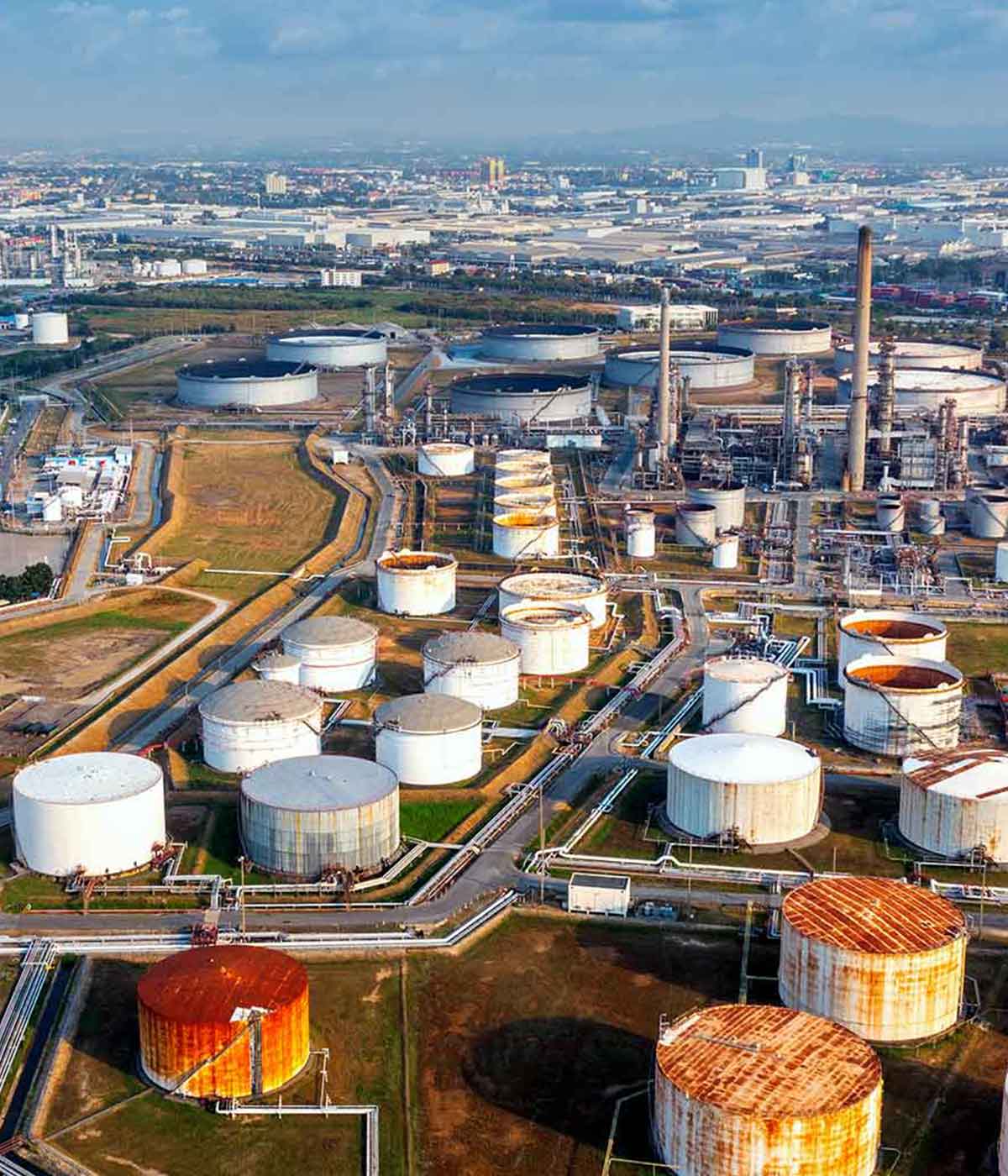
As we move through 2026, the Sub-Saharan African (SSA) energy landscape is undergoing a profound transformation. What was once seen purely as a frontier for extraction is now emerging as a sophisticated hub for integrated energy solutions.
For International Oil Companies (IOCs), national governments, and service providers like ELYON, the mandate for this year is clear: Efficiency, Sustainability, and Local Integration.
In this outlook, we analyze the four pillars defining the industry this year.
1. The Resurgence of Offshore Exploration
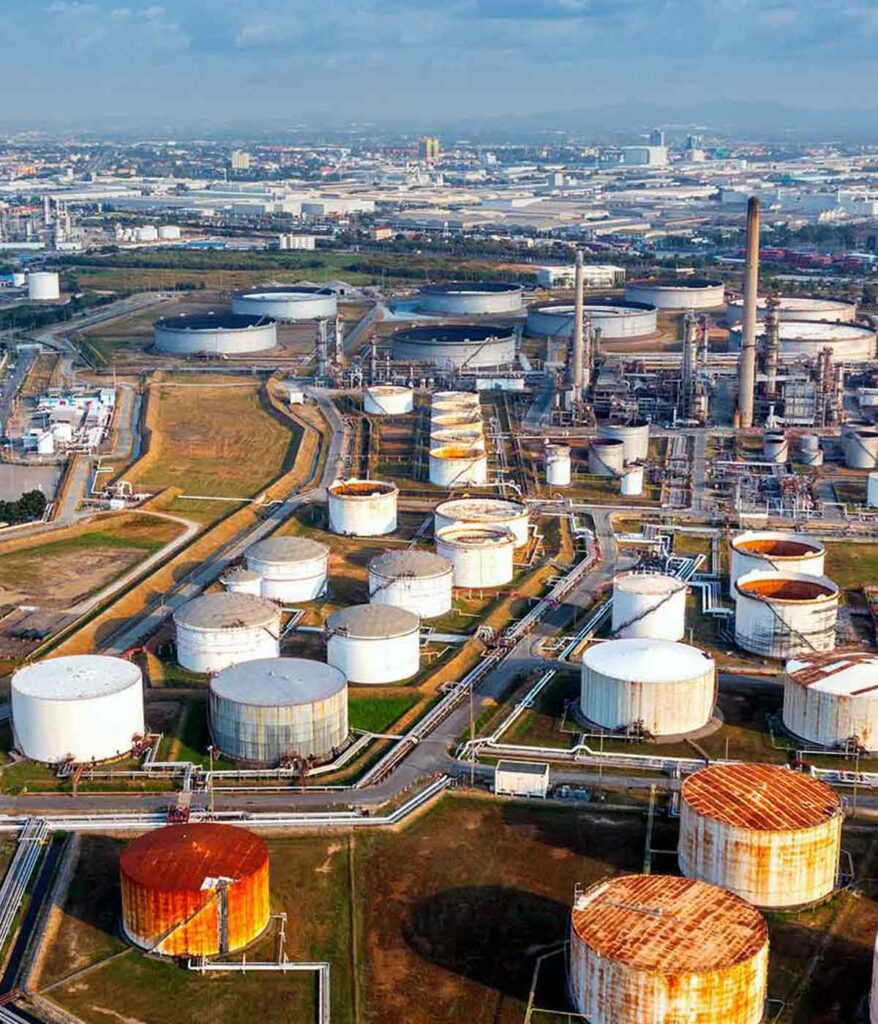
After several years of cautious capital expenditure, 2026 is seeing a significant uptick in offshore activity, particularly in the Gulf of Guinea and the emerging Orange Basin.
Deepwater projects that were previously on hold have reached Final Investment Decisions (FIDs), driven by a global demand for diversified energy sources. We are seeing a “flight to quality,” where projects with the lowest break-even costs and the most efficient logistics—such as those utilizing modern Offshore Supply Vessels (OSVs)—are taking center stage.
2. Local Content as a Competitive Advantage
In 2026, “Local Content” has evolved from a regulatory hurdle into a strategic necessity. Governments across SSA are tightening requirements for local participation, but the focus has shifted from mere quotas to high-value technical integration.
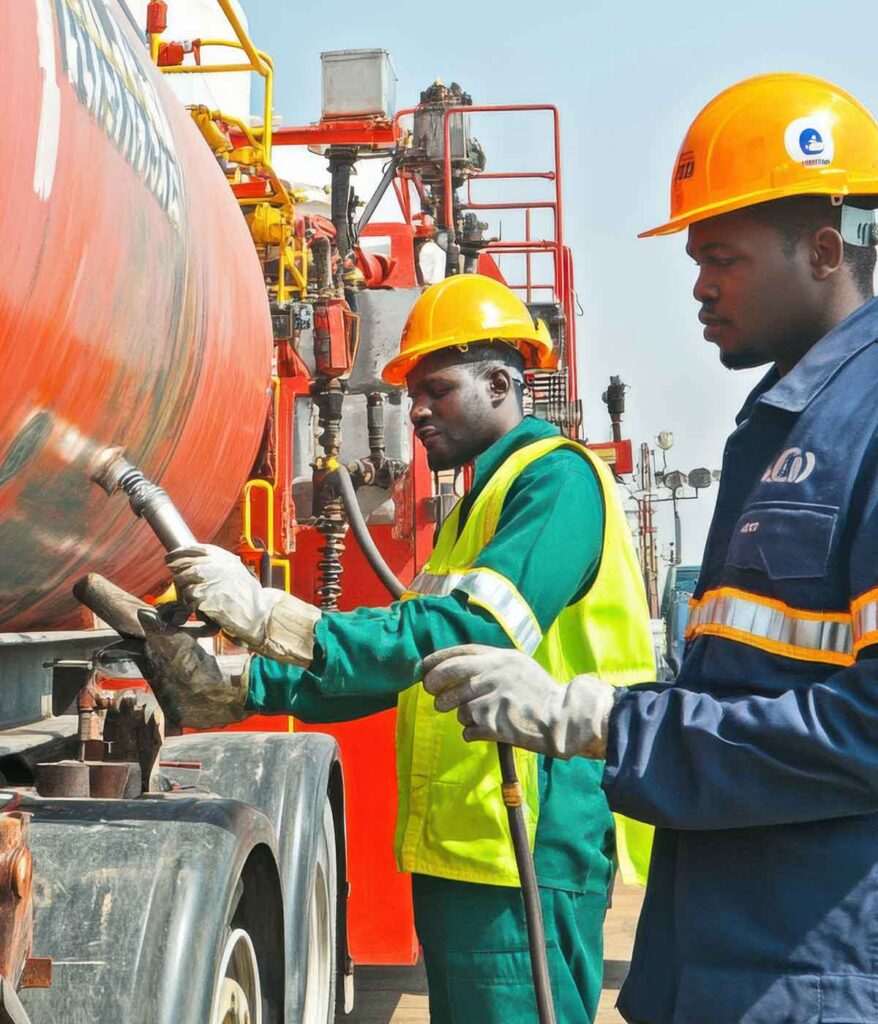
Companies that succeed this year are those that don’t just “hire local,” but invest in specialized manpower development. At ELYON, we’ve observed that projects utilizing a blend of international expertise and highly-trained local technicians experience 15-20% higher operational continuity due to better regional integration and reduced mobilization friction.
3. The Decarbonization of Operations (ESG)
The “Green Transition” is no longer a distant concept for the African oil patch. In 2026, ESG (Environmental, Social, and Governance) metrics are influencing which projects get funded.
We are seeing a massive push toward:
- Zero-Gas Flaring: Implementing technology to capture and commercialize associated gas.
- Circular Waste Management: Moving away from simple disposal toward sophisticated offshore-to-onshore waste treatment cycles.
- Fleet Modernization: A preference for vessels with lower emissions and optimized fuel consumption profiles.
4. Infrastructure and Logistics: The Great Enabler
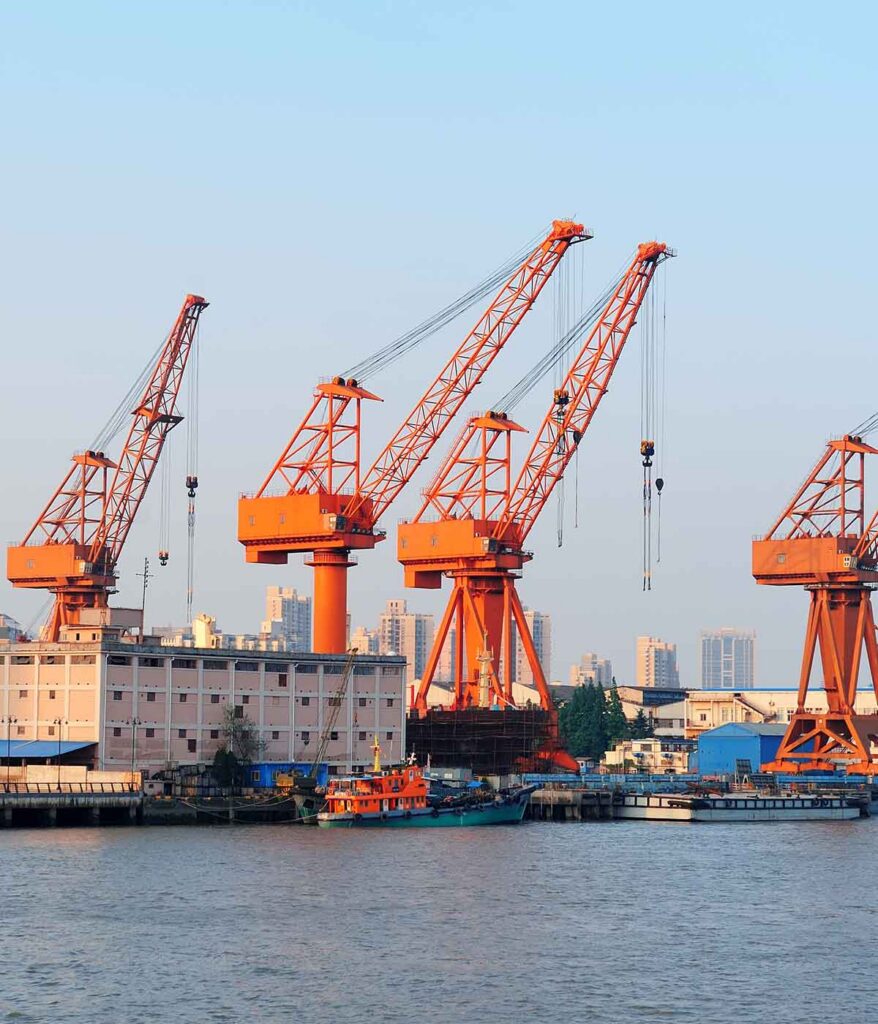
The bottleneck for African energy has historically been logistics. In 2026, we are seeing a shift toward Integrated Service Hubs. The ability to source vessel charter, bunkering, and technical manpower from a single strategic partner is becoming the standard for reducing project lead times.
With the stabilization of regional trade agreements, moving equipment and personnel across borders in West and Central Africa is becoming more streamlined, though it still requires a partner with deep local “on-the-ground” knowledge.
The ELYON Perspective: What Lies Ahead
The outlook for the remainder of 2026 is one of cautious optimism. While global price volatility remains a factor, the technical maturity of the African workforce and the untapped potential of deepwater assets provide a strong foundation for growth.
For operators, the key to winning in 2026 will be Agility. The ability to scale technical teams rapidly and secure reliable offshore logistics will be the difference-between a project that stays on schedule and one that faces costly delays.